Commercial Real Estate Appraisal St. Thomas Ontario: Key Factors That Affect Value
Commercial property value is never just about square footage and a cap rate pulled from a spreadsheet. In St. Thomas, Ontario, value is shaped by local economics, building utility, tenant quality, access routes, zoning realities, and the simple question every buyer asks sooner or later: what can this property actually do for me over the next five to ten years?
That is why a serious commercial real estate appraisal St. Thomas Ontario requires more than a generic formula. It takes local market judgment, an understanding of how different asset classes behave, and a clear eye for risk. A warehouse near a strong transportation corridor will not be viewed the same way as an aging mixed-use building on a secondary street, even if they have similar gross floor areas. A retail plaza with stable tenants can outperform a better-looking property with weak leases. An industrial building with excess land may carry hidden upside that matters far more than cosmetic updates.
Anyone ordering a commercial property appraisal St. Thomas Ontario usually has a high-stakes reason for doing it. It may be tied to financing, refinancing, litigation, estate settlement, tax review, acquisition, disposition, partnership disputes, or internal portfolio planning. In each of those cases, the number matters, but the reasoning behind the number matters just as much.
Why St. Thomas is its own appraisal market
St. Thomas is close enough to major Southwestern Ontario centres to benefit from regional growth, but it is distinct enough that outside assumptions can miss the mark. You cannot simply take trends from London, Kitchener, or the GTA and paste them onto this market. Local pricing, tenant demand, and development momentum follow their own pattern.
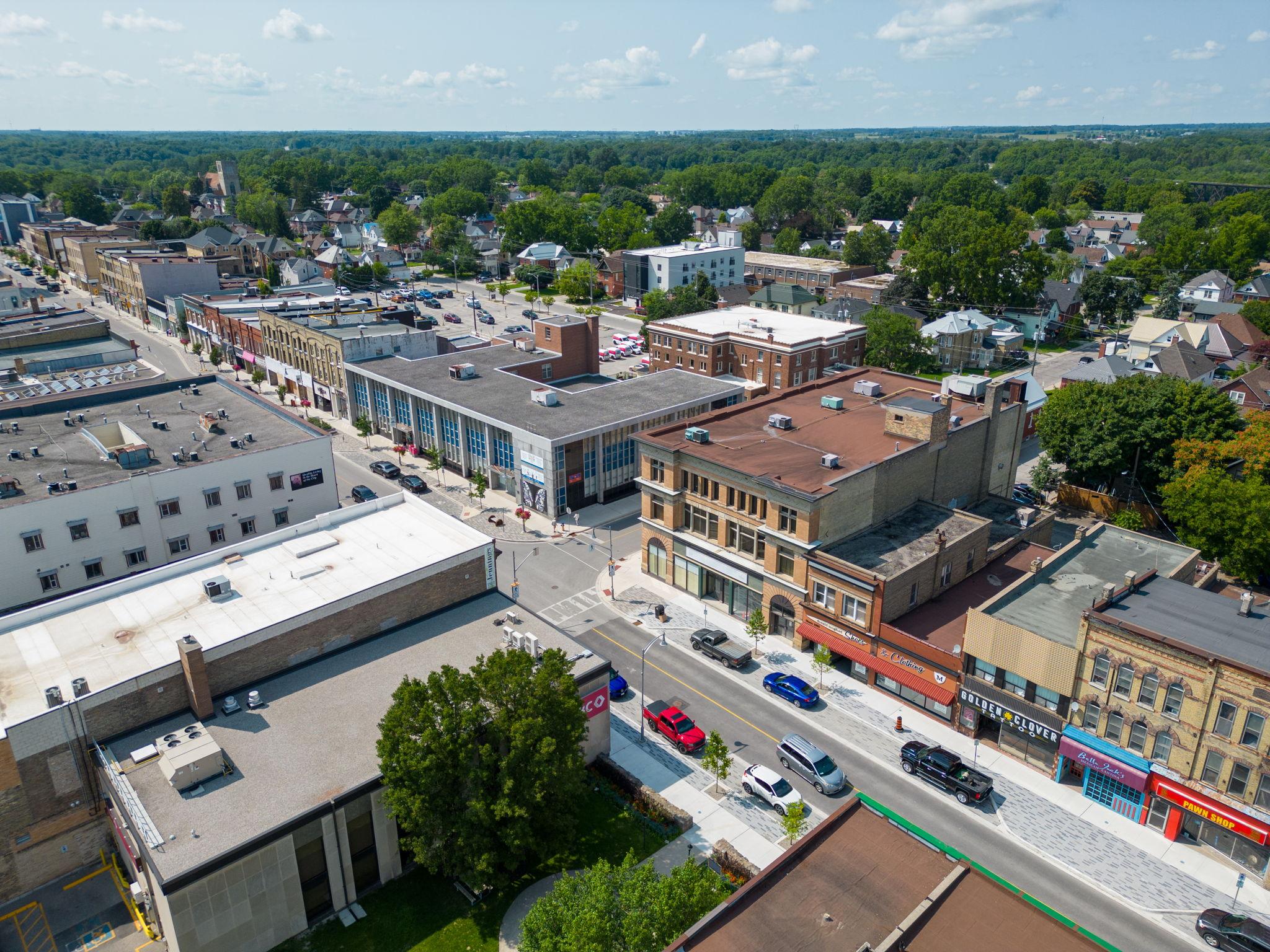
The city has long had an industrial backbone, and that matters. Industrial and employment-related properties often respond strongly to transportation access, labour availability, utility servicing, ceiling heights, loading capability, and yard functionality. At the same time, commercial corridors in St. Thomas are influenced by neighborhood density, household spending, traffic flow, visibility, and the durability of local businesses. Office space behaves differently again, especially in a period when many smaller markets are still sorting out what tenants truly need.
A capable commercial appraiser St. Thomas Ontario looks at broad economic conditions, but also studies the micro-market. A property on one side of town may attract stronger tenant interest because of truck access, newer surrounding development, or a more active retail node. Another may suffer because of awkward ingress, functional obsolescence, or a zoning limitation that narrows the buyer pool.
The property type changes the valuation lens
Commercial properties do not all trade on the same logic. That sounds obvious, yet many valuation misunderstandings begin right there.
For an industrial building, buyers usually focus on clear height, loading doors, power supply, bay depth, office finish ratio, shipping court layout, and the condition of the roof and slab. If the building can handle modern operations without expensive retrofits, value tends to hold up well. If it cannot, the discount can be sharp. I have seen owners assume a clean older building should command near-new pricing, only to discover that limited loading and low clear heights dramatically reduced market interest.
Retail properties are often judged first by location quality and income reliability. A small plaza with excellent frontage and easy parking can be very attractive if the tenant mix is stable and rents are supportable. But if turnover is frequent, lease terms are short, or a major unit is vacant, buyers will price in the uncertainty. A property that appears healthy from the street can lose value quickly if the income stream is fragile.
Office properties require a more careful reading now than they did a decade ago. Tenant demand can be thin in smaller markets for certain configurations, especially large floor plates with dated finishes. Walkability, parking, HVAC condition, accessibility, and layout efficiency all come into play. A building with smaller divisible suites may appeal to a broader range of users than a highly specialized office setup.
Mixed-use buildings add another layer. The residential component can support value, but only if the commercial portion is viable and the building is legally configured, well maintained, and correctly tenanted. A ground-floor retail space that has sat empty for a year will affect investor perception, even if the apartments upstairs are full.
Income remains central, but not every income stream is equal
For many investment properties, the income approach is at the heart of the analysis. Still, a rent roll on its own tells very little unless someone examines its quality.
The first issue is whether current rents reflect the market. A long-term https://conneriifo580.opalvector.com/posts/how-market-trends-influence-commercial-appraisal-in-st.-thomas-ontario tenant paying below-market rent may reduce present income while increasing future upside. A tenant paying above-market rent under a short lease may create the opposite problem. On paper, the building looks strong, but the next owner may not be able to sustain that income once the lease expires.
The second issue is lease structure. Net leases, semi-gross leases, and gross leases shift expense responsibilities in different ways. Two buildings with the same headline rent can produce very different net operating incomes after taxes, maintenance, insurance, management, and reserves are considered. That distinction is critical in any commercial appraisal St. Thomas Ontario.
The third issue is tenant covenant strength. A property leased to established, financially stable occupants usually trades differently than one leased to newer or less proven businesses. This is especially true if one tenant accounts for a large share of the income. Concentration risk matters. If half the rent depends on one occupant, a buyer will pay close attention to the lease term, renewal probability, and replacement risk.
Vacancy assumptions also need local grounding. It is easy to use broad regional estimates, but they may not fit a specific submarket or asset type. In some segments of St. Thomas, well-located industrial space can attract stronger demand than older office inventory. An appraiser who does not differentiate by property type and location risks missing the true market picture.
Sales evidence needs interpretation, not just collection
A proper commercial property appraisal St. Thomas Ontario relies on market data, but comparable sales are never perfectly comparable. One of the most common mistakes is treating all sold prices as if they carry equal meaning.
A sale between related parties may not reflect market value. A property sold with unusual financing terms can distort the apparent price. A building purchased for owner-occupation can trade differently than one bought strictly as an income-producing investment. Development properties can be even trickier, because buyers may be paying for future potential rather than current use.
That is where adjustment and judgment enter the process. If one comparable has better frontage, newer construction, lower vacancy, or superior zoning flexibility, that needs to be reflected. If another comparable sold during a period of unusually strong or weak investor sentiment, timing becomes relevant. The number itself is only the starting point.
I have seen cases where an owner points to a nearby sale and says, “That building sold for this amount, so mine should be worth the same.” Once you look closer, the other property may have had a long-term national tenant, superior loading, recent capital improvements, and a deeper lot that allowed expansion. Surface resemblance is not enough.
Location in St. Thomas is more nuanced than a postal address
Within any city, value can change materially from one corridor to another. In St. Thomas, a building’s exact setting often influences both present performance and future buyer demand.
Traffic exposure matters for retail and service commercial properties. Frontage along a busy route can support stronger rents and faster leasing, especially when access is simple and signage is visible. Yet high traffic alone does not guarantee value. If turning movements are awkward or parking is limited, the benefit can be muted.
For industrial properties, location often comes down to logistics and function. Access to major routes, ease of truck circulation, and the compatibility of surrounding uses can heavily affect desirability. Buyers pay attention to whether a site works efficiently for shipping, staff access, and future operations.
Neighborhood context also shapes risk. A property surrounded by reinvestment and new business activity may carry stronger long-term appeal than one in a stagnant area, even if current income is similar. Appraisal is partly about current facts and partly about how the market prices future prospects.
Zoning can create value or quietly cap it
Zoning is one of the least glamorous topics in commercial real estate, and one of the most important. A building may look ideal from a physical standpoint, yet lose value if the legal uses are narrow. Another may gain value because the zoning allows a wider range of commercial, industrial, or redevelopment options.
In St. Thomas, this is particularly relevant for older properties and transitional areas. Some buildings were constructed for uses that are no longer standard. If the current use is legal non-conforming, financing and marketability may be affected. If parking requirements cannot be met for a new use, the buyer pool may shrink. If redevelopment is possible, however, land value may rise beyond what the current improvements suggest.
This is where the concept of highest and best use becomes central. An appraiser is not simply asking what the property is today. The analysis asks what use is legally permissible, physically possible, financially feasible, and maximally productive. Sometimes the answer supports the existing use. Sometimes it does not.
A low-rise commercial building on a site with development potential may be worth more for its land than for its current income. The reverse can also happen. A site that appears promising may not justify redevelopment once servicing costs, construction costs, and achievable rents are tested against reality.
Physical condition matters, but functional utility matters more
Owners often focus on visible improvements, and buyers often focus on utility. Both matter, but not equally in every case.
A newly painted exterior and updated lobby can help marketability. So can modern flooring, lighting, and washrooms. But major value shifts usually come from the condition of the structural and mechanical systems, and from whether the building functions well for its intended users. Roof age, HVAC condition, electrical capacity, sprinklering, loading, insulation, environmental status, drainage, and slab integrity often have more impact than finishes.
Functional obsolescence can be subtle. A building may be structurally sound and reasonably maintained, yet still underperform because the layout no longer suits market demand. Too much office finish in an industrial property, too little parking for a medical office conversion, low ceilings in a warehouse, or awkward suite configurations in a retail asset can all drag value down.
That said, deferred maintenance should never be shrugged off. Buyers rarely ignore it, and lenders certainly do not. Even if a purchaser likes the location and the upside, they will discount the price if they are inheriting immediate capital costs.
Market timing affects value, but not always in obvious ways
Commercial real estate does not move in straight lines. Interest rates, lender appetite, construction costs, business confidence, and tenant expansion plans all influence pricing. In smaller markets, these shifts can produce wider bid-ask gaps because the buyer pool is thinner to begin with.
When rates rise, leveraged buyers may reduce what they can pay, even if the property itself has not changed. When construction costs remain high, existing functional buildings may become more attractive because replacement is expensive. When investor appetite weakens, cap rates can soften and values may fall. But the effect is rarely uniform across all property classes.
Well-located industrial assets with strong utility may remain resilient while secondary office product struggles. A small service commercial property with owner-user appeal may behave differently than a multi-tenant investment asset. Good commercial appraisal services St. Thomas Ontario account for these distinctions rather than relying on a single market narrative.
The documents behind the building can change the value materially
A surprising amount of value lives in paper. Leases, rent rolls, expense statements, surveys, environmental reports, zoning confirmations, building plans, and service agreements all shape how a property is viewed.
Here are five documents that often have the biggest impact during appraisal review:
- Current leases and amendments
- Historical income and operating expense statements
- Survey or reference plan
- Environmental reports, if available
- Property tax information and zoning details
If the leases are unclear, assignment rights are restricted, or recoverable expenses are poorly documented, value uncertainty increases. If there is an unresolved environmental issue, lenders and buyers may react conservatively. If the survey shows encroachments or access complications, marketability can suffer. A sound appraisal process depends on documentation that is current, complete, and consistent.
Owner-user properties are valued differently from investor-owned assets
One of the most important distinctions in commercial appraisal is whether the likely buyer is an investor or an owner-occupier. The same building can attract different pricing logic depending on who is expected to purchase it.
An investor usually focuses on cash flow, lease stability, risk, and return metrics. An owner-user may focus more on operational suitability, expansion room, replacement cost, and the strategic value of controlling their own premises. That can produce different conclusions about value range.
For example, a small industrial building in St. Thomas with a practical layout and fenced yard may appeal strongly to a local business that needs immediate occupancy. If there is limited competing inventory, that owner-user demand can support pricing beyond what a pure income analysis might suggest. By contrast, a multi-tenant retail property with short-term leases will likely be priced more heavily on the durability of its income and less on owner-user logic.
A skilled commercial appraiser St. Thomas Ontario recognizes which buyer segment most influences the subject property and frames the valuation accordingly.
What property owners can do before ordering an appraisal
Preparation does not change the market, but it can improve the quality and efficiency of the appraisal process. Missing documents, unclear rent details, and unresolved property issues often slow things down and leave avoidable questions on the table.
A few practical steps make a difference:
- Gather current leases, amendments, and a clean rent roll
- Organize recent operating statements and tax bills
- Note major capital improvements with dates and costs
- Flag any vacancies, arrears, or pending tenant changes
- Share known zoning, survey, or environmental information early
This does not mean trying to “sell” the appraiser on the asset. It means providing an accurate, complete picture so the valuation reflects reality instead of guesswork. In my experience, properties with clear documentation tend to move through the process more smoothly, and the resulting appraisal is more useful to lenders, lawyers, accountants, and prospective buyers.
Common misconceptions that lead to value disputes
Commercial owners often have strong instincts about value, and sometimes they are right. But several recurring assumptions cause friction.
One is the belief that replacement cost equals market value. It does not. A building may cost a great deal to construct today, yet still trade for less if demand is limited or the layout is obsolete. Another is the idea that assessed value for taxation should mirror market value precisely. These figures serve different purposes and can diverge significantly depending on timing and methodology.
There is also the tendency to overvalue vacant space because of what the owner hopes to lease it for. Market rent is not aspirational rent. It has to be supported by actual tenant demand, competing inventory, inducements, and lease-up risk. A vacant unit is not worth the same as a fully leased one simply because the asking rent looks good online.
Finally, many disputes come from looking at gross numbers instead of net performance. A building with strong gross revenue but heavy expenses may underperform a simpler asset with lower gross income and cleaner net cash flow.
Choosing the right appraisal perspective
Not every assignment has the same objective. Financing appraisals, litigation appraisals, expropriation matters, estate work, and internal strategic reviews can all require a slightly different lens, even when the core valuation standards are consistent. The intended use of the report shapes the level of detail, document review, and market analysis required.
That is why many clients seek commercial appraisal services St. Thomas Ontario from professionals who understand both valuation theory and local market behavior. The strongest reports do not just produce a number. They explain the property, the market, the risks, and the reasoning in a way that stands up to scrutiny.
For buyers, that clarity helps avoid overpaying. For owners, it supports realistic decision-making. For lenders, it frames risk. For lawyers and accountants, it provides defensible analysis. And for anyone involved in a commercial appraisal St. Thomas Ontario, it creates something more useful than a headline figure, it creates context.
Value is the result of several moving parts
A commercial real estate appraisal St. Thomas Ontario is shaped by a mix of hard data and local judgment. Income, comparable sales, zoning, condition, utility, location, lease quality, and market timing all interact. No single factor tells the whole story.
That is especially true in a market like St. Thomas, where asset quality, buyer profile, and local development patterns can shift value in ways that are easy to miss from a distance. Whether the property is industrial, retail, office, or mixed-use, the best analysis ties the numbers back to how real buyers, tenants, and lenders behave in this market.
When owners understand the factors that affect value, they make better decisions long before a property is listed or refinanced. They negotiate leases more carefully. They prioritize the right capital improvements. They document the asset properly. They become more realistic about strengths and weaknesses. And when the time comes to engage a commercial property appraisal St. Thomas Ontario, they are in a far better position to use that appraisal as a business tool rather than just a formality.